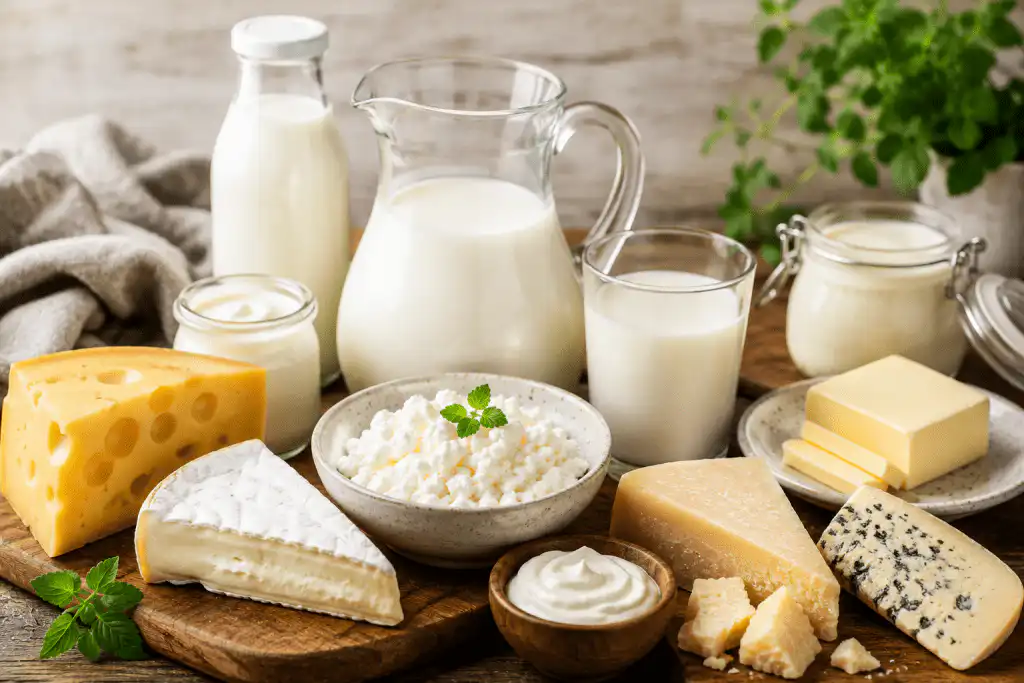
Dairy can be incredibly nourishing for some people, and problematic for others — context matters. From a holistic perspective, the quality of the dairy, how it’s processed, the health of the individual consuming it, and even digestion and inflammation status all play a role.
Traditional cultures often consumed dairy very differently than modern commercial systems. Raw, grass-fed, minimally processed dairy contains naturally occurring enzymes, beneficial fats, fat-soluble vitamins, probiotics (when fermented), and a broader nutritional profile that many people feel supports digestion and overall wellness better than heavily processed commercial dairy products.
Many individuals who struggle with conventional pasteurized and homogenized milk report tolerating raw dairy far better, especially when sourced from healthy pasture-raised animals. Fermented dairy products like kefir and yogurt are also often easier to digest because beneficial bacteria help break down lactose and support the microbiome.
Holistically, dairy can provide valuable nourishment including protein, calcium, phosphorus, healthy fats, amino acids, and fat-soluble vitamins that support the nervous system, hormones, bones, and tissue repair. At the same time, some people may notice congestion, bloating, skin flare-ups, digestive discomfort, or inflammation depending on their personal sensitivities, gut health, and the type of dairy consumed.
There’s also an important distinction between:
- Raw vs pasteurized
- Grass-fed vs conventionally raised
- Fermented vs non-fermented
- A2 dairy vs A1 dairy
- Full-fat traditional dairy vs ultra-processed low-fat products
From a holistic wellness perspective, the question is less ‘Is dairy good or bad?’ and more:
‘What type of dairy is being consumed, and how does that individual respond to it?’
Paying attention to digestion, skin, energy, mucus production, inflammation, and overall well-being can tell us a lot about whether a certain form of dairy is supportive for that person.