By Michelle La’el | Certified Herbalist & Certified Holistic Nutrition Consultant
Have you ever walked into a room and completely forgotten why you went there?
Perhaps a familiar name suddenly escapes you, or you find yourself reading the same paragraph several times because the information simply isn’t sinking in.
Maybe you were once able to manage several things at once, but now you notice that maintaining your concentration takes more effort.
For some people, these changes are occasional frustrations. For others, they become increasingly noticeable with age, bringing questions about memory, mental clarity, and long-term cognitive health.
We often think of memory as something that either works or doesn’t. But the brain is far more complex than that.
Every thought, every memory, and every moment of concentration depends on an extraordinary network of living cells working together.
And those cells, like every other tissue in the body, must be continuously nourished.
Understanding that relationship helps explain why one of the world’s oldest surviving tree species, Ginkgo biloba, has earned such a remarkable reputation in traditional herbal medicine.
What Actually Happens When We Remember Something?
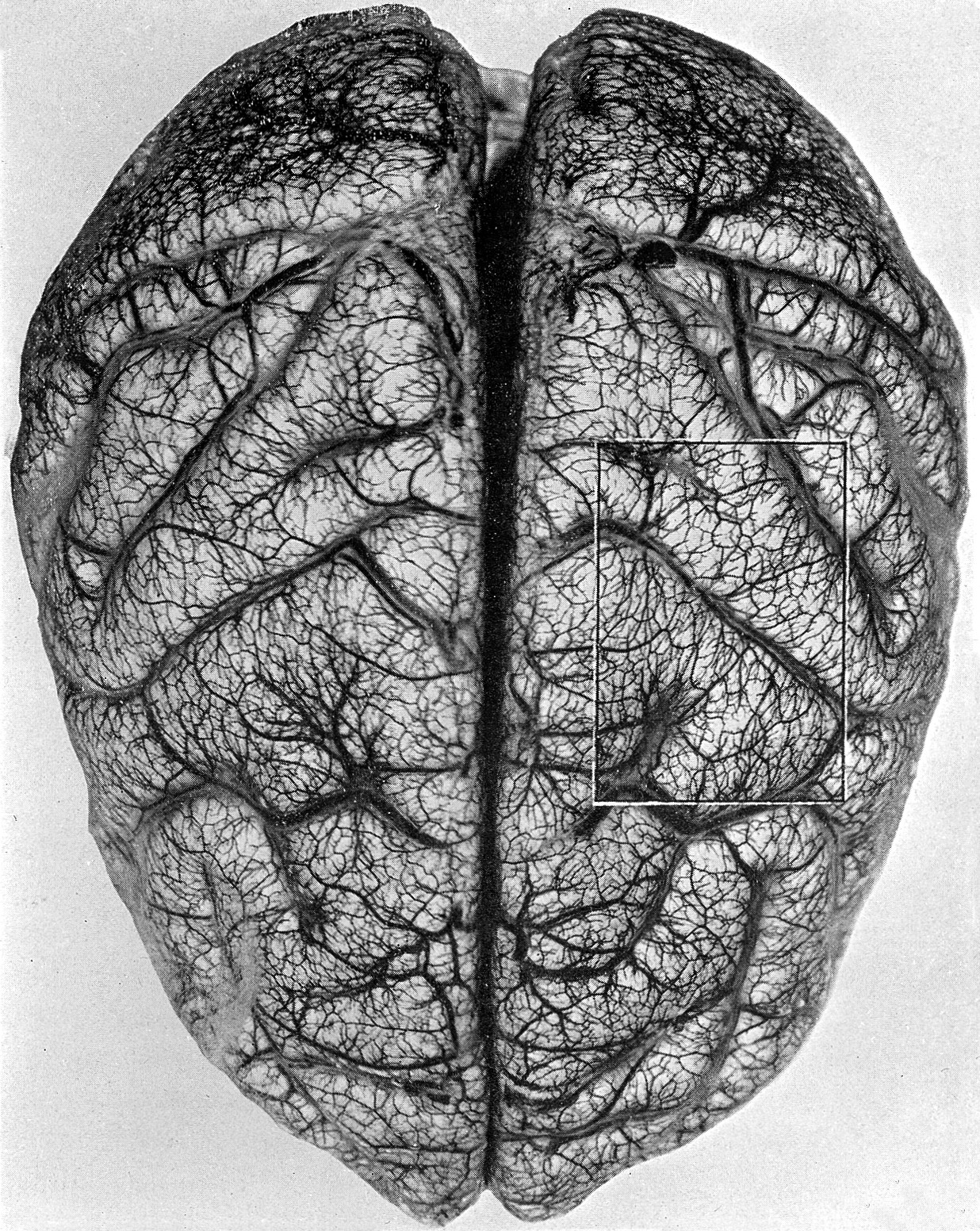
Memory is not stored in one single location inside the brain.
Different regions participate in receiving information, processing experiences, forming memories, and retrieving what we have learned.
The hippocampus, for example, plays an important role in forming new memories. Other regions help us recognize familiar information, remember skills, process language, and make decisions.
These functions depend on billions of nerve cells called neurons.
Neurons communicate with one another through specialized connections known as synapses. As we learn, practice, and experience new things, the activity and strength of these connections can change.
This remarkable adaptability is called neuroplasticity.
It helps explain how we continue learning throughout life, why repetition strengthens certain memories, and how experiences shape our ability to recall information.
However, neuronal communication requires energy.
Despite accounting for only a small proportion of our body weight, the brain uses a considerable amount of the body’s oxygen and glucose.
Its cells have ongoing metabolic demands, even while we sleep.
That brings us to an often-overlooked part of cognitive wellness: the network of blood vessels responsible for supplying the brain.
Why Is Healthy Brain Circulation So Important?
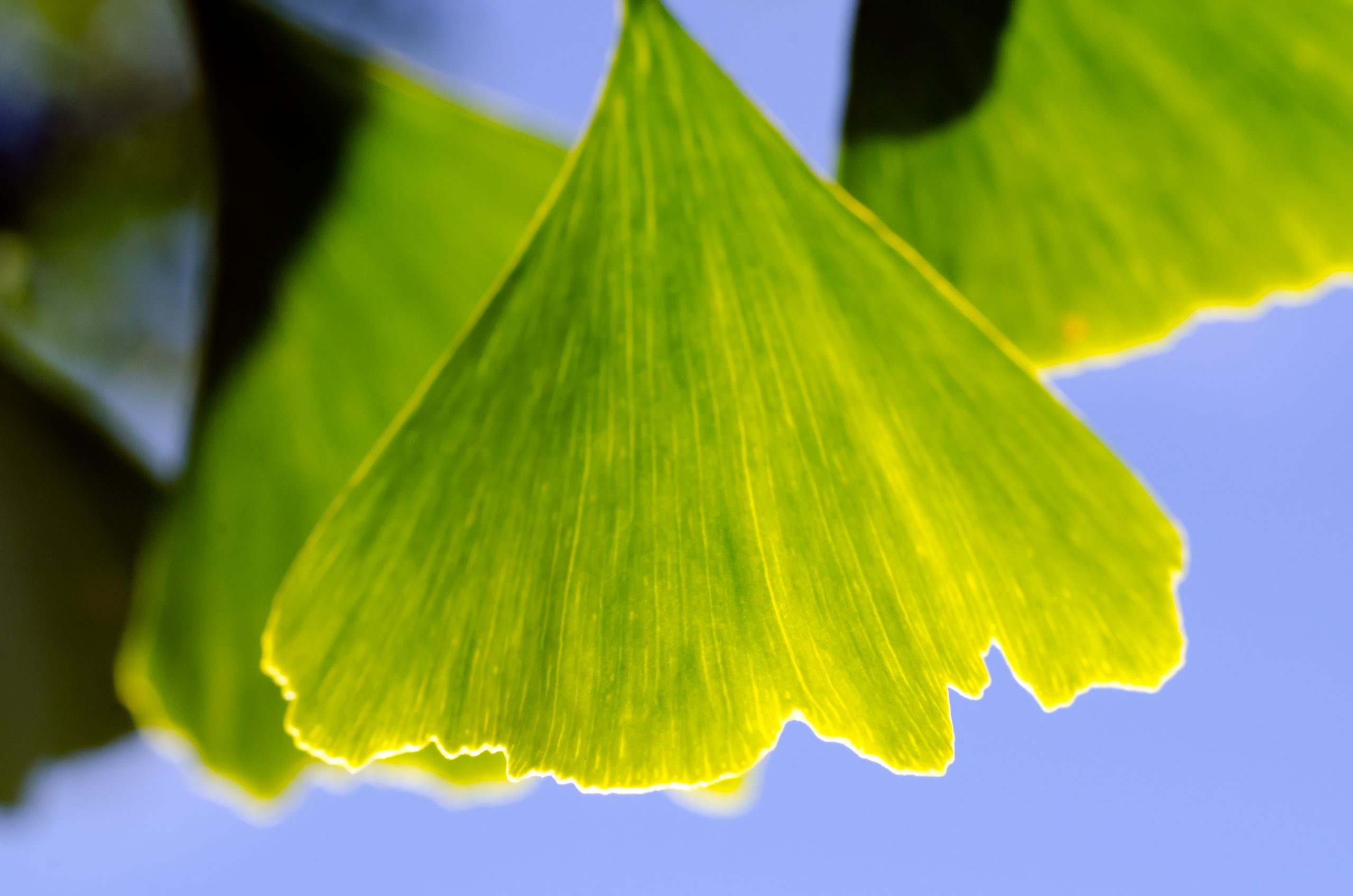
The brain receives blood through major arteries that branch into increasingly smaller vessels.
Eventually, these branches form microscopic capillaries, where oxygen and nutrients can pass into surrounding tissues.
This intricate vascular network supplies the energy needed for normal neurological activity.
When certain regions of the brain become more active, blood flow adjusts to meet their changing demands. This process, known as neurovascular coupling, connects the activity of neurons with the circulation that supports them.
Healthy blood vessels also play a role in maintaining the delicate environment in which brain cells function.
Over time, changes in vascular health can influence cognitive performance. Conditions affecting the small blood vessels of the brain are particularly relevant to vascular cognitive impairment.
But circulation is only one piece of the picture.
Sleep, nutrition, metabolic health, stress, inflammation, and numerous other factors also influence cognitive function.
Traditional herbalists have long recognized the importance of considering the person as a whole.
And among the botanicals particularly associated with the circulatory system, Ginkgo biloba holds a distinctive place.
Why Has Ginkgo Biloba Been Used in Traditional Herbal Medicine?
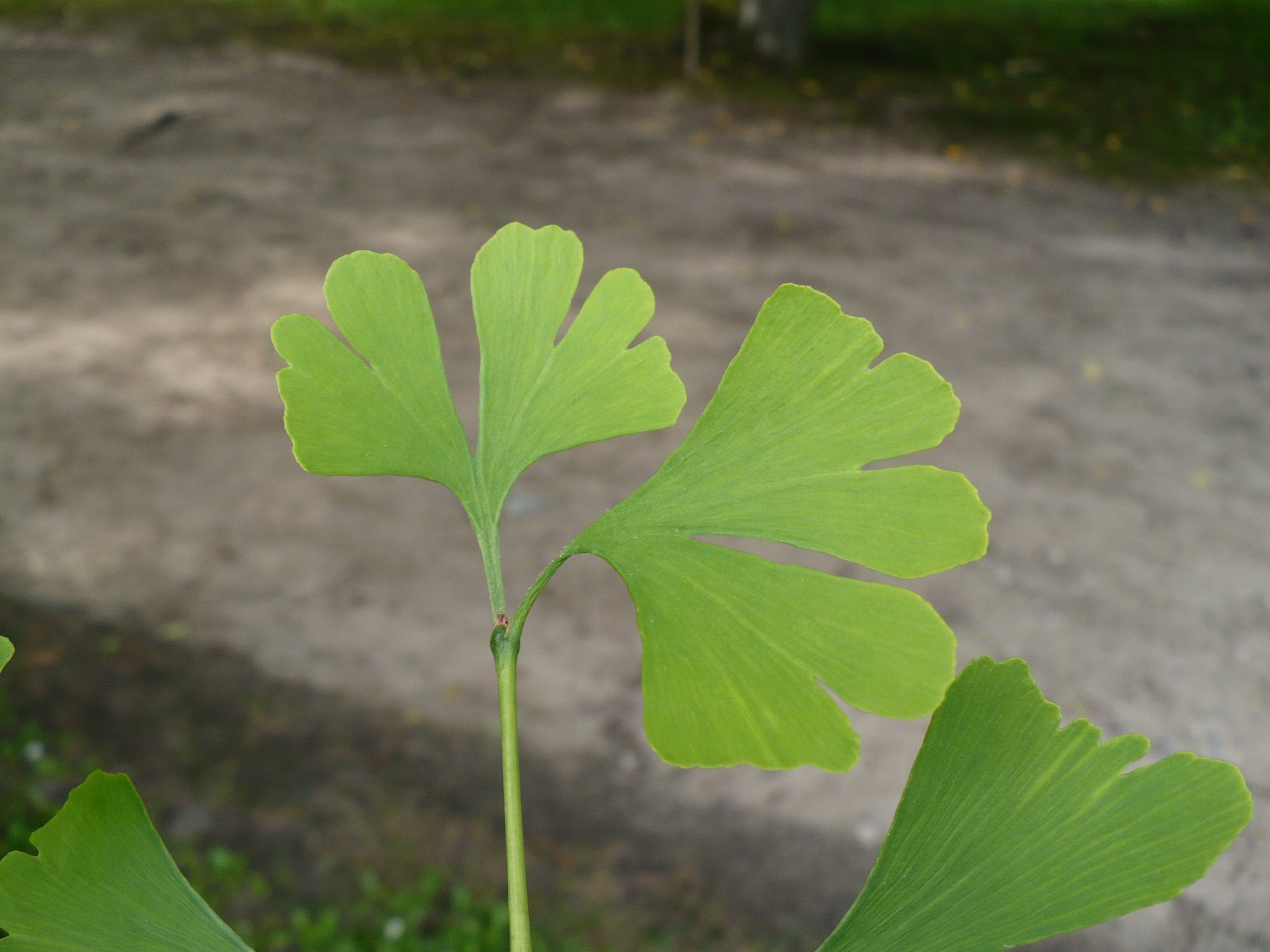
Ginkgo biloba is an extraordinary tree.
Often called a living fossil, it belongs to an ancient botanical lineage dating back thousands of years.
Its fan-shaped leaves, with their delicate branching veins, are instantly recognizable. In autumn, they turn a brilliant golden yellow, transforming the tree into a remarkable display of color.
Ginkgo also has a long history of human use.
In traditional Chinese medicine, the seeds have historically held an important role, particularly in certain respiratory and urinary applications. The leaves have their own medicinal history and became especially prominent in Western herbal discussions of circulation and cognitive wellness.
Herbalist David Hoffmann describes Ginkgo as a circulatory tonic, particularly associated with cerebral and peripheral circulation.
Rosemary Gladstar includes Ginkgo in herbal preparations traditionally used for memory and mental alertness.
Nicole Apelian also discusses the herb in connection with concentration and cognitive clarity.
These traditional practitioners recognize Ginkgo as a botanical with particular affinities for the circulatory and nervous systems.
Its reputation did not develop solely around ordinary forgetfulness. It also reflects a broader history of herbal applications involving mental vitality, sensory function, and circulation throughout the body.
What Are Ginkgo’s Traditional Herbal Actions?
In Western herbal materia medica, Ginkgo is commonly described as a circulatory tonic.
The term tonic refers to an herb traditionally used to support the normal function and vitality of a body system.
Ginkgo’s principal traditional applications include:
Cerebral circulation and mental alertness: Ginkgo has long been discussed in relation to circulation serving the brain and is traditionally associated with memory, concentration, and cognitive vitality.
Peripheral circulation: Herbalists have used Ginkgo in preparations associated with cold extremities and circulatory concerns affecting the hands and feet.
Sensory function: Traditional Ginkgo literature also discusses the herb in connection with the eyes and inner ears, including applications involving vision, balance, and hearing.
Inflammatory and allergic conditions: Certain materia medica texts describe additional anti-inflammatory, antiallergenic, antispasmodic, and respiratory applications.
These different actions illustrate the breadth of Ginkgo’s traditional reputation.
They also help us understand why an herb commonly introduced as a memory tonic has historically been valued for much more.
What Makes the Ginkgo Leaf Botanically Unique?
A medicinal plant is more than its outward appearance.
Within Ginkgo leaves are numerous naturally occurring compounds that contribute to their distinctive botanical chemistry.
Among the most notable are:
Flavonoids
Ginkgo contains flavonoid compounds, including derivatives of quercetin and kaempferol.
Flavonoids are widely distributed throughout the plant kingdom and are recognized for their antioxidant properties. They participate in chemical reactions involving reactive molecules produced during normal metabolism.
Ginkgolides
These distinctive terpene compounds are closely associated with Ginkgo’s botanical identity.
Ginkgolides have attracted interest because of their biological activity, particularly their relationship with certain signaling processes.
Bilobalide
Bilobalide is another characteristic terpene found in Ginkgo leaves. It has been investigated in relation to nerve-cell biology and cellular function.
Polyphenols and tannins
Ginkgo also contains procyanidins and other polyphenolic compounds, along with tannins that contribute to its astringent qualities.
The leaves contain additional naturally occurring substances, including ginkgolic acids, which are particularly relevant when considering the safety and quality of Ginkgo preparations.
What interests me as a traditional herbalist is the botanical complexity of the leaf.
These constituents are produced within a living plant, where they exist alongside many other compounds.
Rather than defining Ginkgo entirely by one individual substance, I appreciate understanding the whole botanical and the traditional knowledge associated with it.
That is a central part of my whole-plant herbal philosophy.
What Is the Difference Between Forgetfulness, Dementia, and Alzheimer’s Disease?
This is an important distinction because not every change in memory has the same meaning.
Many people experience occasional forgetfulness without having a progressive cognitive disorder.
You might momentarily forget someone’s name but remember it later, misplace an object, or take longer to retrieve information.
Sleep deprivation, emotional stress, medication effects, nutritional deficiencies, and other circumstances can contribute to these experiences.
Dementia is different.
It is a general term describing a decline in memory, reasoning, language, or other cognitive abilities severe enough to interfere with everyday independence.
Alzheimer’s disease is one of the most recognized causes of dementia.
It involves progressive changes in brain tissue, including abnormal accumulations of amyloid-beta and tau proteins, disruptions in neuronal communication, and eventual loss of nerve cells.
Vascular dementia and vascular cognitive impairment involve a different set of processes associated with injury or disease affecting the brain’s blood vessels.
Some individuals experience more than one underlying process.
This is why understanding cognitive changes requires us to look beyond memory alone.
Ginkgo has a long-standing traditional association with cognitive aging and cerebral circulation, and it has been discussed extensively in connection with age-related mental changes.
Its traditional applications belong within the broader conversation about supporting cognitive well-being—not as a replacement for understanding the causes of significant cognitive decline.
Why Does Cognitive Wellness Require a Whole-Person Approach?
The health of the brain is influenced by everyday habits and the condition of other body systems.
Nourishment matters. The nervous system needs essential fatty acids, amino acids, vitamins, minerals, and sufficient energy to maintain healthy cellular function.
Sleep matters. Restorative sleep supports memory consolidation, emotional regulation, and processes involved in maintaining brain tissue.
Movement matters. Physical activity supports cardiovascular health, metabolic function, and numerous processes involved in healthy aging.
Mental engagement matters. Reading, learning, problem-solving, conversation, and meaningful activities encourage the continued use of neural networks.
Emotional well-being matters. Prolonged stress can affect concentration, sleep, and our ability to process information.
Traditional whole-person herbalism considers these influences together.
The goal is not simply to select a plant for an isolated symptom, but to understand the broader environment in which the body is functioning.
When discussing memory and cognition, that perspective becomes especially valuable.
A healthy brain depends on far more than the brain itself.
Introducing Ginkovia™ — Whole Organic Ginkgo Leaf
Ginkgo biloba has fascinated herbalists for generations because of its remarkable botanical history and traditional relationship with circulation, memory, and cognitive vitality.
It is an herb that reminds us how closely the nervous and circulatory systems are connected, and how important it is to consider the body’s functions as part of a greater whole.
That appreciation for traditional botanical medicine inspired Ginkovia™, my whole organic Ginkgo leaf herbal supplement from Lael Herbal Home.
My approach to herbalism is rooted in respecting the plant, understanding its traditional applications, and appreciating the natural complexity of its constituents.
I believe people deserve to understand not only what an herb has traditionally been used for, but also why herbalists have valued it.
Ginkgo’s story is one of longevity, botanical complexity, and a long-standing relationship with cognitive and circulatory wellness.
And perhaps that is what makes this ancient tree so fascinating.
It reminds us that caring for the mind begins with understanding the living body that supports it.
Lael Herbal Home — Small Batch · Herbal · Intentional.
A Note on Herbal Safety
Ginkgo contains biologically active constituents and is not appropriate for everyone. Individuals taking blood-thinning or antiplatelet medications, those with bleeding disorders or seizure disorders, and people preparing for surgery should exercise particular caution. Pregnancy and breastfeeding also require individualized consideration.
Whole Ginkgo leaf naturally contains ginkgolic acids, making botanical quality and safety important considerations.
New, persistent, or worsening memory changes deserve appropriate evaluation rather than being automatically attributed to aging.
These statements have not been evaluated by the Food and Drug Administration. This product is not intended to diagnose, treat, cure, or prevent any disease.