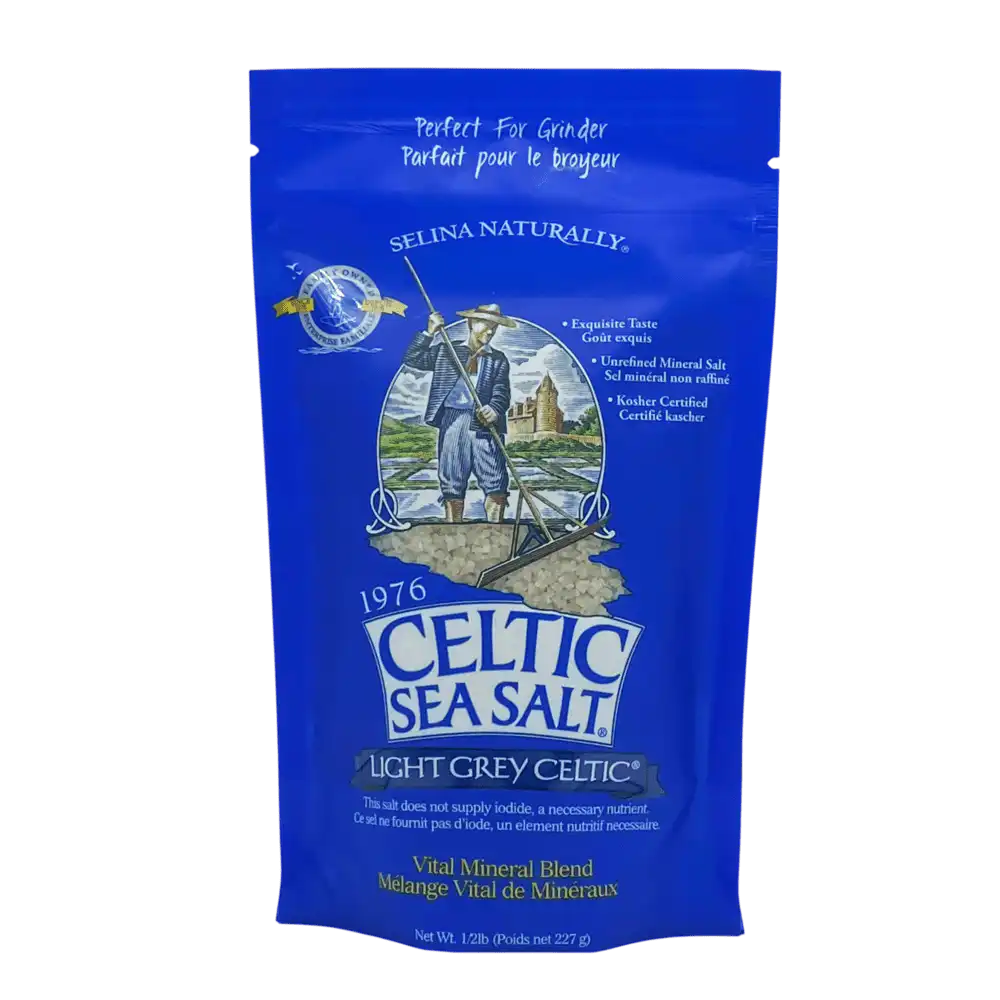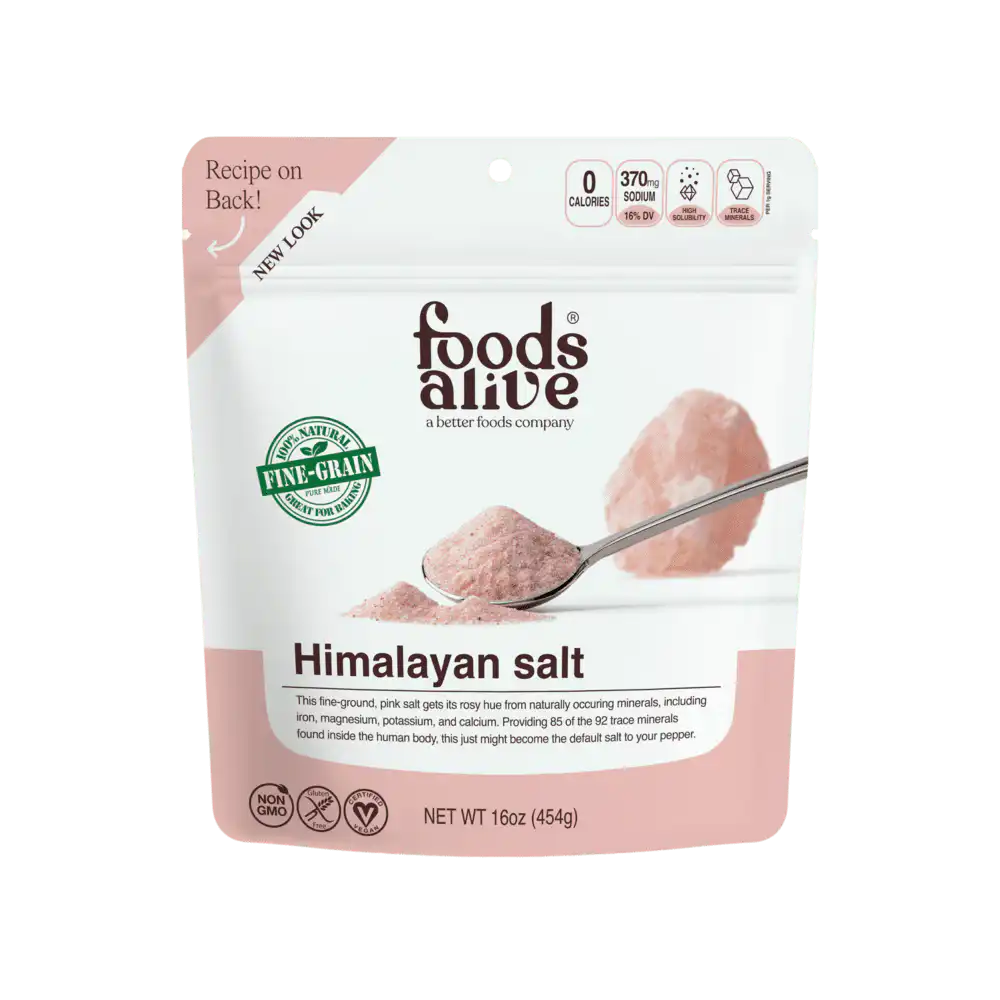
Celtic Sea Salt
For thousands of years, salt has been one of humanity’s most valuable resources. Long before refrigeration, it was essential for preserving food, supporting trade, and sustaining entire civilizations. Along the Atlantic coast of Brittany, France, one of the world’s oldest salt-harvesting traditions continues to this day.
Celtic Sea Salt is produced in the salt marshes of Guérande, where seawater is guided through a series of clay-lined ponds using a system that has changed remarkably little over centuries. Rather than relying on industrial machinery, skilled salt farmers known as paludiers work with the forces of sun, wind, gravity, and time. As water slowly evaporates, mineral-rich salt crystals form and are carefully harvested by hand using traditional wooden tools.
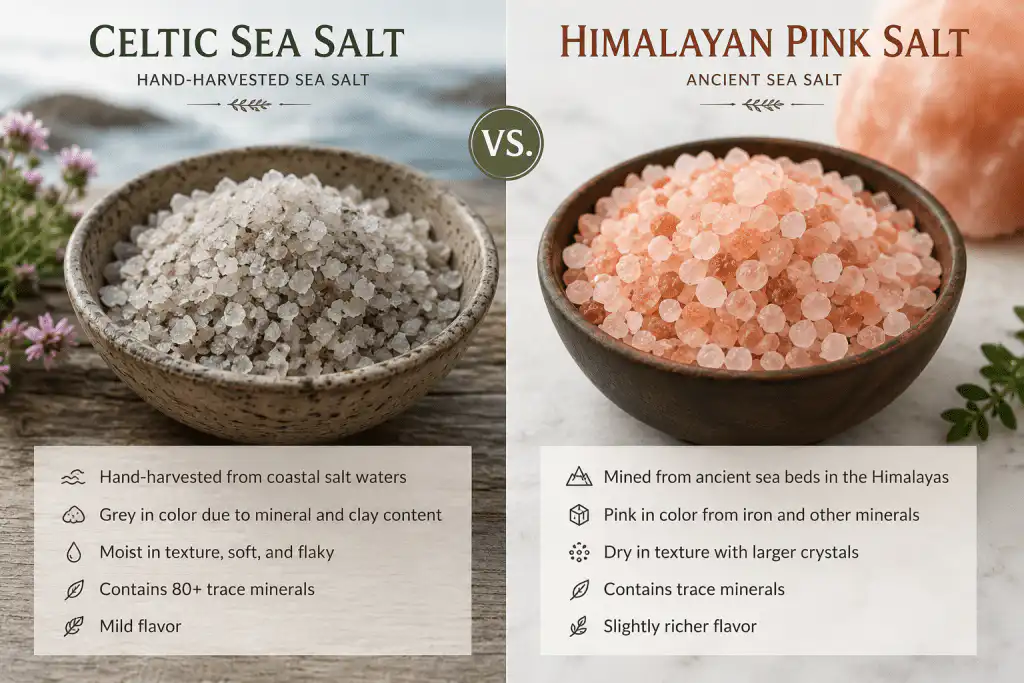
One of the most distinctive characteristics of Celtic Sea Salt is its gray color. Contrary to what many people assume, this color is not a sign of impurity. It develops naturally as the salt comes into contact with the mineral-rich clay lining the salt ponds. The salt also retains more natural moisture than many commercial salts, giving it a soft texture and slightly briny flavor that reflects its coastal origins.
From a holistic nutrition perspective, Celtic Sea Salt is often valued for its minimal processing. Unlike highly refined table salt, it typically retains trace minerals naturally present in seawater. While these minerals contribute to its unique character, it is important to remember that salt’s primary nutritional role remains its sodium and chloride content, which are essential for hydration, nerve function, and muscle contraction.
Today, many people appreciate Celtic Sea Salt not only for its flavor, but also for the centuries-old harvesting tradition it represents. In a world of highly processed foods, it offers a direct connection to one of humanity’s oldest methods of food production.
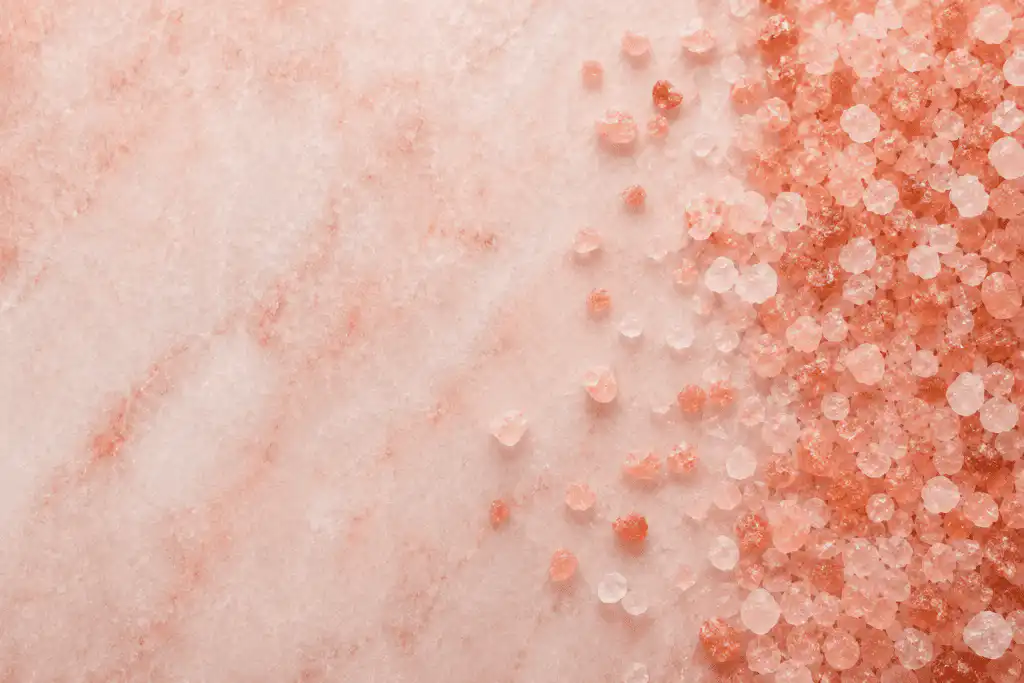
HIMALAYAN PINK SALT
While Celtic Sea Salt begins with the ocean, Himalayan Pink Salt begins with an ancient sea that disappeared millions of years ago.
Despite its name, Himalayan Pink Salt is primarily mined from the Khewra Salt Mine in Pakistan, one of the oldest and largest salt mines in the world. The salt deposits were formed when prehistoric seas evaporated long before human civilization existed, leaving behind vast mineral-rich layers that were eventually buried beneath rock and earth.
A popular local legend tells of the army of Alexander the Great discovering the salt deposits around 326 BCE when their horses began licking exposed salt rocks. While historians cannot confirm the story, it has become an enduring part of the region’s history and adds to the fascination surrounding this ancient mineral.
The salt’s distinctive pink color comes primarily from trace amounts of iron, along with other naturally occurring minerals found within the deposits. Unlike Celtic Sea Salt, which remains slightly moist due to its harvesting process, Himalayan Salt is typically dry and forms larger crystals, making it popular for grinders, finishing dishes, and decorative culinary presentations.
In recent years, Himalayan Pink Salt has become heavily marketed within the wellness industry, often accompanied by claims regarding its mineral content. While it does contain trace minerals, its primary nutritional contribution remains sodium and chloride, just like other natural salts. Its true appeal lies in its minimal processing, ancient origins, unique appearance, and distinctive flavor profile.
Celtic Sea Salt vs. Himalayan Pink Salt
Now that we’ve explored the history of both salts, let’s look at how they compare.
While Celtic Sea Salt and Himalayan Pink Salt come from very different origins—one from the ocean and one from ancient underground deposits—they share many similarities. Both are less processed than conventional table salt, contain trace minerals, and have become popular among those seeking more traditional food options.
Key Differences at a Glance
Both salts are composed primarily of sodium chloride, but they also contain trace amounts of additional minerals.
| Feature | Celtic Salt | Himalayan Pink Salt |
| Origin | Brittany, France | Pakistan |
| Source | Seawater | Ancient seabeds |
| Color | Gray | Pink |
| Texture | Moist | Dry |
| Flavor | Mild | Stronger mineral taste |
| Harvest | Hand-harvested | Mined |
Sodium
Sodium is one of the body’s essential electrolytes and plays a critical role in:
- Maintaining fluid balance
- Supporting nerve communication
- Assisting muscle contraction
- Regulating blood pressure
- Helping transport nutrients into cells
Without adequate sodium, the body cannot properly regulate hydration or electrical signaling.
Chloride
Chloride is often overlooked, yet it is just as important.
It helps:
- Maintain fluid balance
- Support proper hydration
- Produce stomach acid (hydrochloric acid)
- Aid digestion
- Maintain acid-base balance within the body
Together, sodium and chloride form the foundation of what we commonly call salt.
Magnesium
Both salts may contain small amounts of magnesium.
Magnesium contributes to:
- Muscle relaxation
- Nervous system function
- Energy production
- Bone health
- Hundreds of enzymatic reactions throughout the body
Potassium
Trace amounts of potassium may also be present.
Potassium helps:
- Balance fluids within cells
- Support healthy muscle function
- Assist nerve signaling
- Work alongside sodium to maintain proper hydration
Calcium
Small amounts of calcium can naturally occur in both salts.
Calcium is best known for:
- Supporting bones and teeth
- Muscle contraction
- Blood clotting
- Cellular signaling
Iron
Iron is most commonly associated with Himalayan Pink Salt because it contributes to its pink coloration.
Iron plays a role in:
- Oxygen transport
- Red blood cell production
- Energy metabolism
- Cognitive function
The amount found in Himalayan salt is very small and should not be relied upon as a significant dietary source.
Which Salt Contains More Minerals?
This is one of the most debated questions online.
Both salts contain trace minerals, but the exact mineral profile varies depending on the source, harvesting conditions, and testing methods. While these minerals contribute to flavor, texture, and appearance, neither Celtic Sea Salt nor Himalayan Pink Salt should be viewed as a major source of dietary minerals.
Their greatest nutritional contribution remains sodium and chloride, both of which are essential for human health.
Which One Do I Prefer?
Rather than viewing one as “better” than the other, I see them as serving different purposes.
I often appreciate Celtic Sea Salt for its traditional harvesting methods, natural moisture, and mild flavor. Himalayan Pink Salt, on the other hand, is convenient for grinders and offers a beautiful appearance for cooking and finishing dishes.
Both represent a less processed approach to salt and provide a connection to centuries of food traditions that have nourished people long before modern food manufacturing existed.
Ready to Try Them for Yourself?
Click either product below to view details and purchase through my Fullscript dispensary.