Bright yellow flowers scattered across lawns are often viewed as a nuisance by homeowners. Yet beneath the surface lies a plant that has been valued for generations. Dandelion (Taraxacum officinale) has a long history of use in culinary traditions, botanical preparations, and wellness practices throughout the world.
Nearly every part of the plant has been utilized, including the leaves, roots, and flowers, making dandelion one of the most versatile plants in traditional herbalism.
More Than a Common Weed
Dandelion thrives in a wide range of environments and is known for its resilience. While many plants require carefully controlled conditions, dandelion flourishes almost anywhere, earning a reputation as one of nature’s most persistent plants.
Its ability to adapt and grow has contributed to its widespread use across many cultures.
A Nutrient-Rich Plant
Dandelion leaves naturally contain a variety of nutrients, including:
- Vitamin A
- Vitamin K
- Vitamin C
- Potassium
- Calcium
- Magnesium
For generations, dandelion greens have been incorporated into foods and beverages as a way to enjoy their nutritional value.
Understanding the Different Parts
One of the unique characteristics of dandelion is that different parts of the plant have traditionally been used for different purposes.
Dandelion Leaf
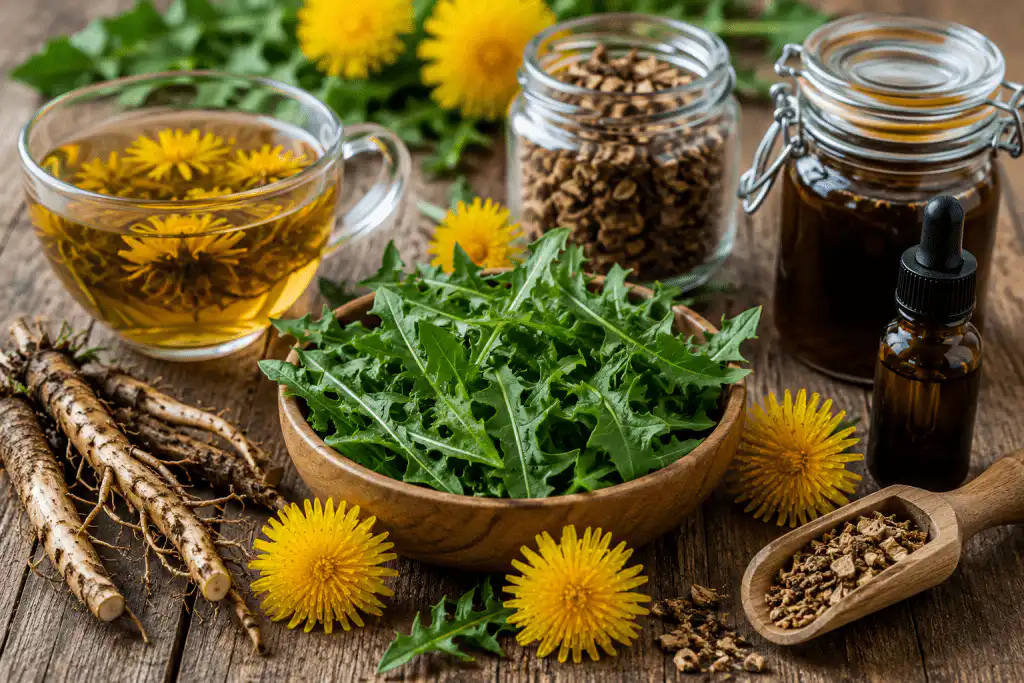
The leaves are commonly enjoyed in salads, teas, and botanical preparations. Their slightly bitter flavor has made them a popular addition to traditional wellness routines.
Dandelion Root
The root is often roasted and used in beverages or incorporated into herbal preparations. Its rich, earthy flavor has contributed to its popularity throughout history.
Dandelion Flower
The bright yellow flowers have been used in culinary recipes, infused products, and traditional preparations.
Beyond the Garden
Dandelion can be found in:
- Herbal teas
- Salads
- Roasted beverages
- Botanical preparations
- Infused oils
- Vinegars
- Culinary recipes
Its versatility continues to make it a favorite among those interested in traditional plant use.
Final Thoughts
Often overlooked and frequently removed from gardens, dandelion has earned a place among the most respected plants in traditional herbalism. Its resilience, versatility, and long history of use serve as a reminder that value is not always found in the rarest plants—sometimes it grows right beneath our feet.
Interested in Learning More?
Plants often have a story that extends far beyond first impressions. Visit the Lael Herbal Home blog for more educational articles on herbs, nutrition, and holistic wellness, or schedule a consultation for individualized guidance tailored to your unique wellness goals.
This article is intended for educational purposes only and is not intended to diagnose, treat, cure, or prevent any disease.