The Story of Saffron
Long before saffron found its way into modern kitchens, it had already secured its place among history’s most treasured botanicals.
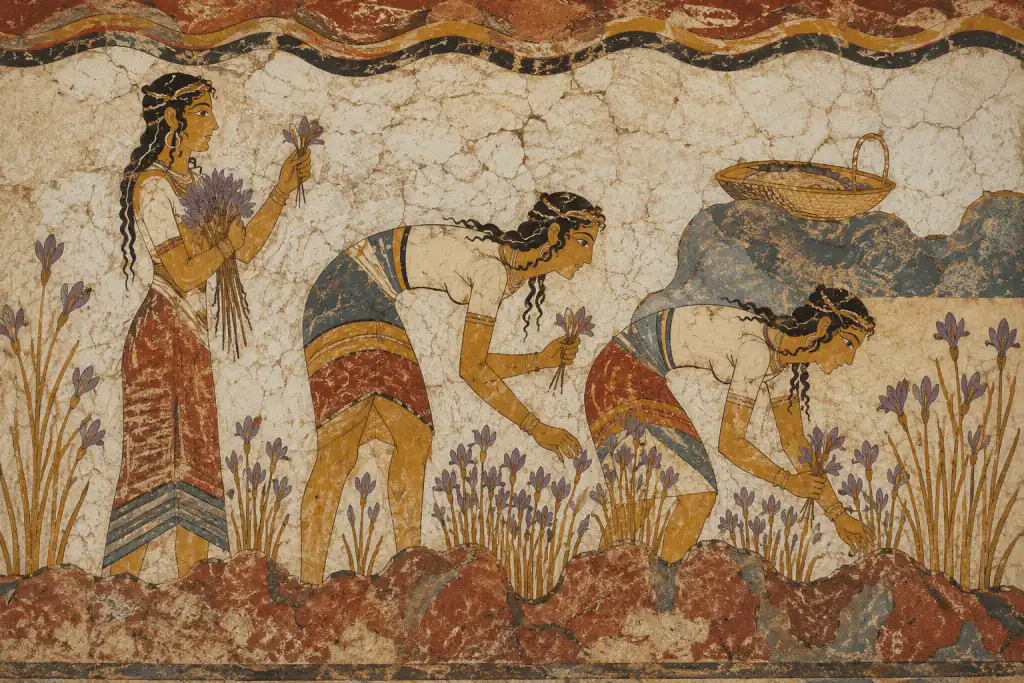
One of the earliest known depictions of saffron appears in the ancient frescoes of Akrotiri on the Greek island of Santorini, dating to approximately 1600 BCE. Preserved beneath volcanic ash for thousands of years, these remarkable paintings portray men and women carefully harvesting saffron blossoms by hand, offering one of history’s oldest visual records of its cultivation.
While these frescoes provide the earliest artistic evidence of saffron, many historians believe the plant was first domesticated in ancient Persia, present-day Iran. There, saffron became woven into daily life. It colored the garments of royalty, perfumed homes, flavored elaborate feasts, and became one of the most valuable commodities traded throughout the ancient world.
Its reputation quickly spread beyond Persia.
The Egyptians prized saffron for its fragrance, vivid color, and luxurious nature, incorporating it into perfumes, cosmetics, ceremonial preparations, and royal households. Greek culture embraced saffron as both a prized botanical and a symbol of beauty, even giving rise to the legend of Crocus, the youth transformed into the delicate purple flower whose crimson threads would become saffron.
Jewish history also preserves saffron’s significance.
In Song of Songs 4:14, saffron is listed among the finest aromatic plants:
“Nard and saffron, calamus and cinnamon, with every kind of incense tree, with myrrh and aloes and all the finest spices.”
The Hebrew word karkom, still used today for saffron, reflects its long-standing place within Jewish culture. As Jewish communities settled throughout Persia, Spain, North Africa, and the Mediterranean, saffron naturally became part of Sephardic cuisine, flavoring festive rice dishes, breads, fish, and holiday meals that continue to be enjoyed generations later.
As civilizations expanded their trade networks, saffron traveled alongside silk, frankincense, myrrh, cinnamon, and precious metals across the Silk Road. Merchants recognized not only its rarity but also the extraordinary labor required to produce it.
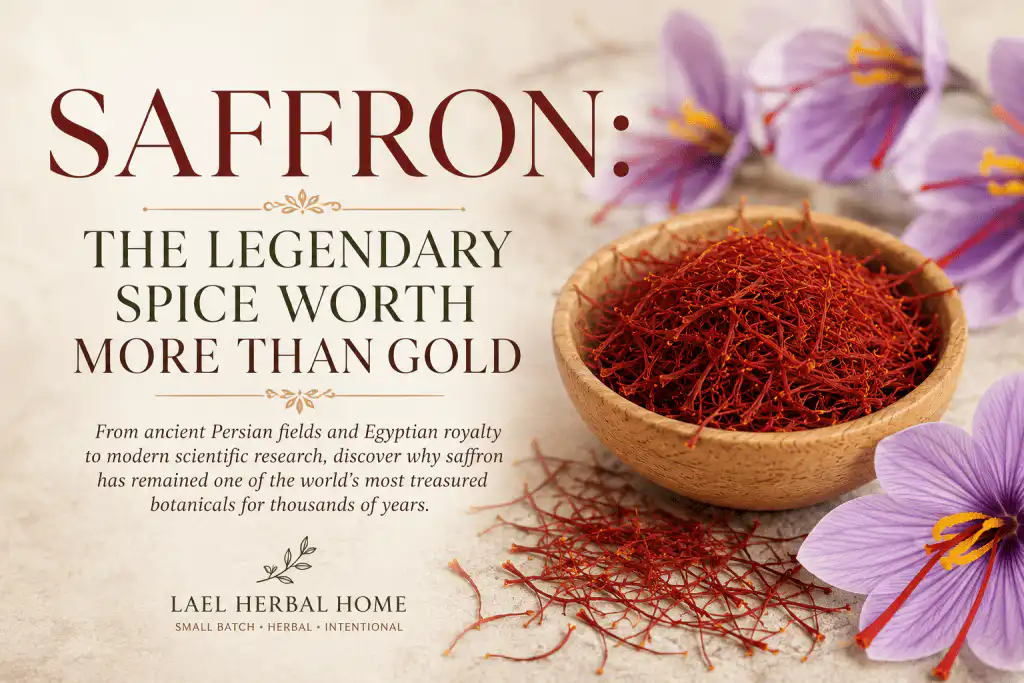
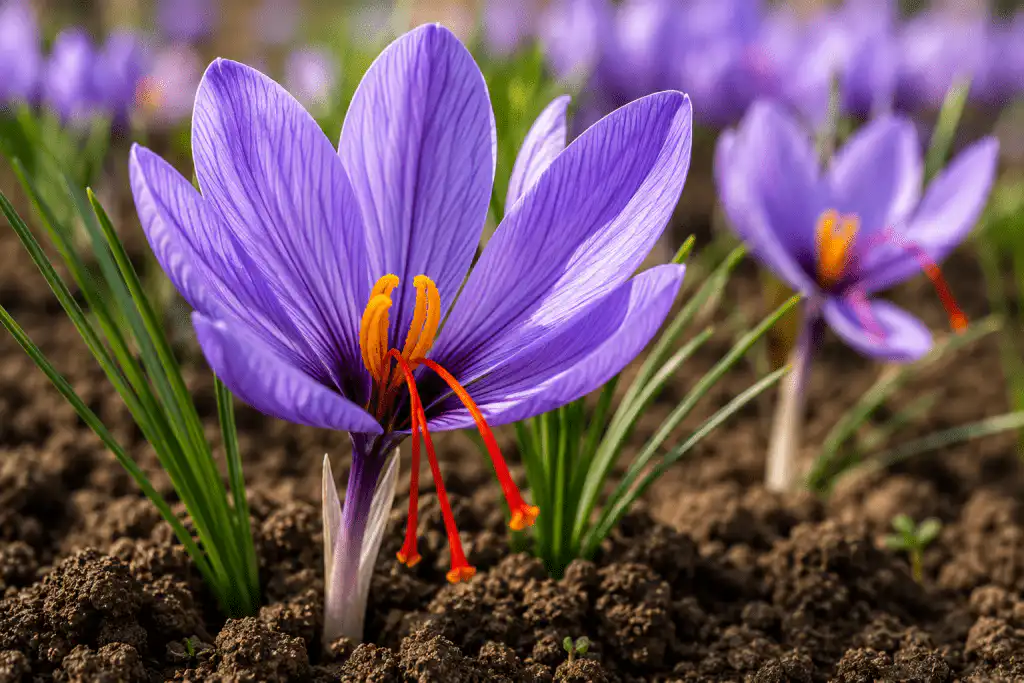
Every saffron flower produces only three delicate crimson stigmas. Each one must be harvested entirely by hand during a flowering season that lasts only a few weeks each year. It takes well over 100,000 flowers to produce a single kilogram of dried saffron, making it one of the most labor-intensive agricultural products in the world.
Its value became so great that medieval Europe witnessed the Saffron War, a conflict sparked by the theft of a shipment of saffron. Few botanicals have ever influenced commerce strongly enough to become the cause of armed conflict, further illustrating the extraordinary importance saffron once held.
Today, despite modern advances in agriculture, saffron is still harvested much as it was thousands of years ago. Every crimson thread represents generations of knowledge, skilled hands, and remarkable patience. Its remarkable journey through history established saffron as far more than a luxury spice. Over time, it also earned a respected place within traditional herbal practice, where its story continued to evolve.
Saffron as a Medicinal Herb
While saffron is celebrated throughout the world for its culinary uses, its place within traditional herbal practice is equally noteworthy. For generations, it has been appreciated as a versatile botanical whose influence extends well beyond the kitchen and into the broader tradition of supporting health and wellness.
Among its most recognized herbal actions is its role as a nervine, a class of herbs traditionally used to nourish and support the nervous system while encouraging emotional balance and resilience during times of stress. Rather than forcing the body into a particular response, nervines are valued for helping maintain the body’s natural equilibrium.
Saffron is also regarded as an antispasmodic, reflecting its traditional use in supporting the relaxation of involuntary muscle tension. This action has contributed to its use in promoting digestive comfort and menstrual wellness, two areas in which muscle spasms may play a role.
Its classification as a carminative highlights another aspect of its versatility. Carminative herbs have traditionally been appreciated for supporting healthy digestion, encouraging the comfortable movement of food through the digestive tract, and helping reduce digestive discomfort associated with excess gas or bloating.
Saffron has likewise been described as an emmenagogue, a term used for herbs that support healthy menstrual function. This traditional action is one of the reasons amounts greater than those normally used in cooking are generally avoided during pregnancy unless specifically recommended by a qualified healthcare professional.
Collectively, these actions help explain why saffron has traditionally been incorporated into wellness approaches supporting emotional well-being, cognitive function, healthy circulation, digestive comfort, menstrual wellness, vision, and overall vitality. Rather than being recognized for a single purpose, saffron has earned lasting respect because of its versatility and its ability to complement multiple body systems within traditional herbal practice.
Safety & Contraindications
Although saffron has been used safely for centuries in culinary preparations, larger amounts require greater consideration.
The small quantities commonly used in cooking are generally well tolerated by most healthy individuals. Amounts greater than those normally used in food, however, should not be assumed to be appropriate simply because saffron is a natural product.
Because saffron has traditionally been classified as an emmenagogue, medicinal amounts are generally avoided during pregnancy unless specifically recommended by a qualified healthcare professional familiar with the individual’s circumstances.
Individuals taking prescription medications, particularly those affecting mood, blood pressure, or blood clotting, should also consult their healthcare provider before using saffron supplements, as interactions may be possible.
Quality is equally important. Due to its high value, saffron has historically been one of the world’s most adulterated spices. Inferior products may be mixed with dyed plant material or artificial colorants that fail to provide the characteristics of authentic saffron. Purchasing from reputable suppliers helps ensure both quality and authenticity.
As with every medicinal herb, thoughtful use, proper preparation, and an understanding of individual circumstances remain essential.
Final Thoughts
Saffron’s journey from the fields of ancient Persia to kitchens and herbal traditions around the world is a testament to the enduring value of this extraordinary botanical. Its history reminds us that some of nature’s greatest treasures are not measured by abundance, but by the care, patience, and respect required to cultivate them.
One of the reasons I became an herbalist is because I believe every person deserves an approach to wellness that recognizes their individuality. No two people have the same health history, nutritional status, lifestyle, or wellness goals, which is why I don’t believe in one-size-fits-all recommendations. Herbs are powerful gifts from the Creator, but their greatest value is realized when they are selected thoughtfully and used as part of a comprehensive approach that also considers nutrition, lifestyle, and the whole person.
Ready to Take the Next Step?
If you’re looking for personalized guidance rather than generic advice found online, I’d love to help. Through Lael Herbal Home, I offer individualized herbal and holistic nutrition consultations designed to help you better understand your health and create a wellness plan tailored specifically to your unique needs and goals.
Educational Disclaimer
This article is intended for educational and informational purposes only. It is not a substitute for individualized herbal guidance, medical advice, diagnosis, or treatment. Every person has unique health considerations, medications, nutritional needs, and lifestyle factors that influence whether a particular herb is appropriate. Rather than attempting to “freestyle” the use of saffron or any medicinal herb based solely on information found online, I encourage seeking qualified guidance to determine what is most appropriate for your individual circumstances.
Looking for High-Quality Saffron?
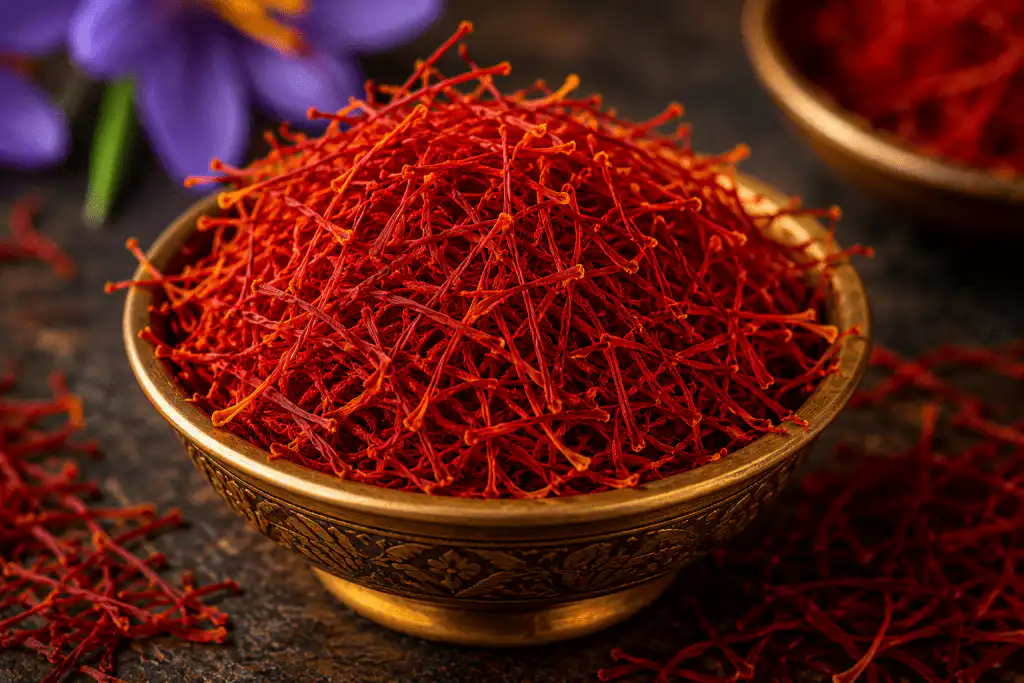
If you’re interested in adding authentic saffron to your pantry, I’ve curated a quality option that I recommend.
🛒 Shop my recommended saffron here:
https://amzn.to/4gPAmfn