
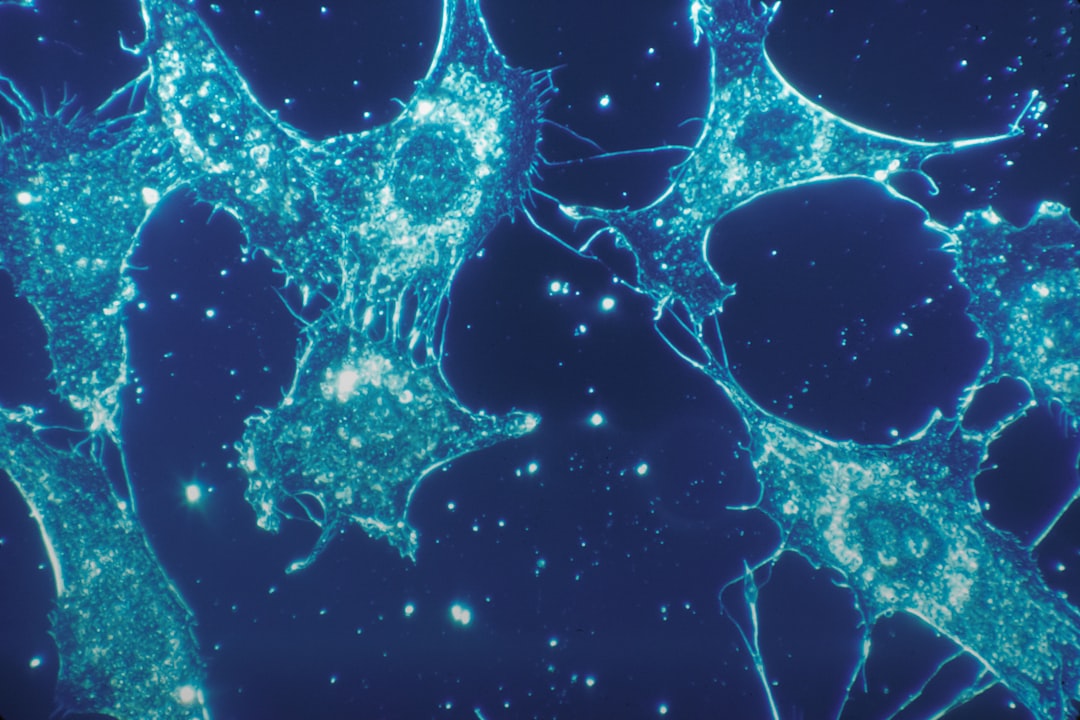
Your body has been repairing and replacing itself your entire life. Stem cells are one important part of the system that makes that possible.
Your body has been repairing and replacing itself your entire life. You cut your skin, and eventually the wound closes. You lose blood, and your body replaces the cells that were lost. The lining of your digestive tract is constantly being renewed, and your muscles repair themselves after physical stress or injury. Old cells die every day, yet your body continues functioning because new cells are continually taking their place. One important part of that process is the work of stem cells.
Stem cells are part of the body’s built-in system for maintenance, repair, and renewal. They are different from most other cells because they are not yet fully committed to one specialized job. A red blood cell carries oxygen, a muscle cell contracts, and a nerve cell carries messages, but a stem cell has the ability to make more stem cells and, when needed, give rise to cells that become more specialized. You can think of them as part of the body’s reserve system: cells that help maintain tissues and respond when replacement or repair is needed.
For everyday health and aging, the most relevant stem cells are the adult stem cells already living inside your tissues. These cells do not all do the same thing. A stem cell involved in blood production has a different role from one involved in maintaining the intestine or repairing muscle. The body has different stem and progenitor cell populations for different tissues, and each one responds to the needs of the area where it lives.
Bone Marrow: One of the Body’s Major Stem-Cell Centers
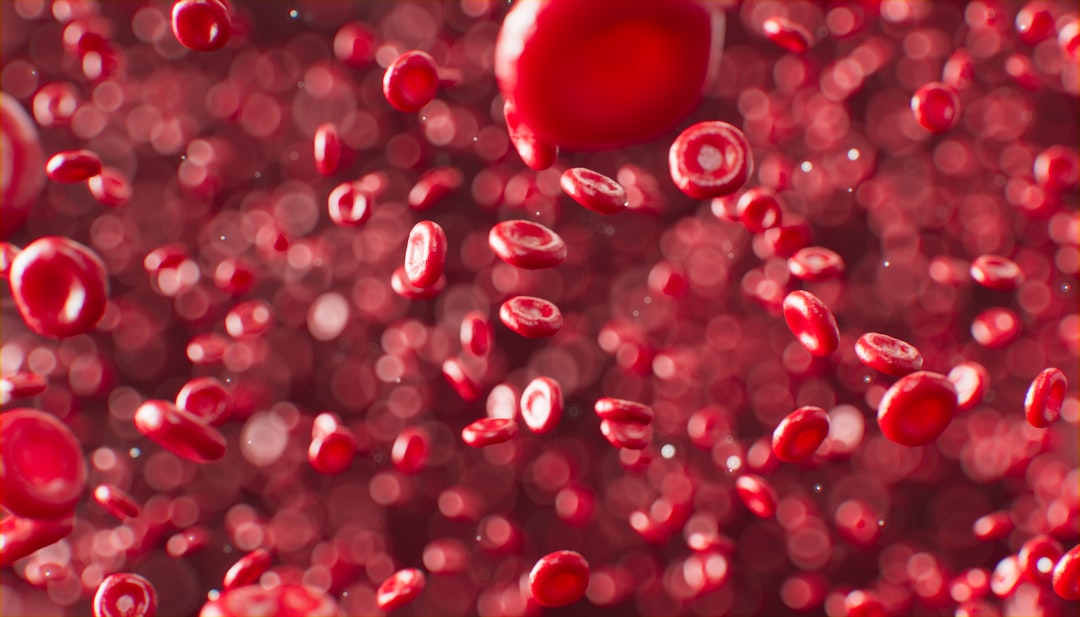
One of the most important places stem cells are found is inside the bones. The soft tissue inside certain bones is called bone marrow, and within that marrow are hematopoietic stem cells. Their job is to help produce the cells that eventually become your blood: red blood cells that carry oxygen, white blood cells that help defend the body, and platelets that help stop bleeding.
Your blood cells do not last forever, so your body is constantly replacing them. That means your bone marrow is working every day, whether you notice it or not. These stem cells do not divide constantly at full speed. Many remain relatively quiet until the body sends signals that more cells are needed. That quiet state is important because the body has to preserve its stem-cell supply while still keeping those cells ready to respond when necessary.
Stem cells are also found in other tissues. The intestinal lining renews very quickly because it is constantly exposed to food, digestive juices, bacteria, and waste. Stem cells deep within the intestinal lining help produce the new cells needed to maintain that barrier. In the skin, deeper stem-cell populations help replace cells that are continuously shed from the surface and also contribute to repair when the skin is damaged.
Muscle has its own specialized stem cells, often called satellite cells. Most of the time they remain quiet, but when muscle is stressed or injured, they can become active and help repair damaged muscle fibers. Hair follicles also contain stem-cell populations that take part in the repeated cycle of hair growth and renewal. Other organs, including the liver, lungs, brain, and fat tissue, have their own regenerative cells and repair mechanisms as well.
Stem Cells Need the Right Environment
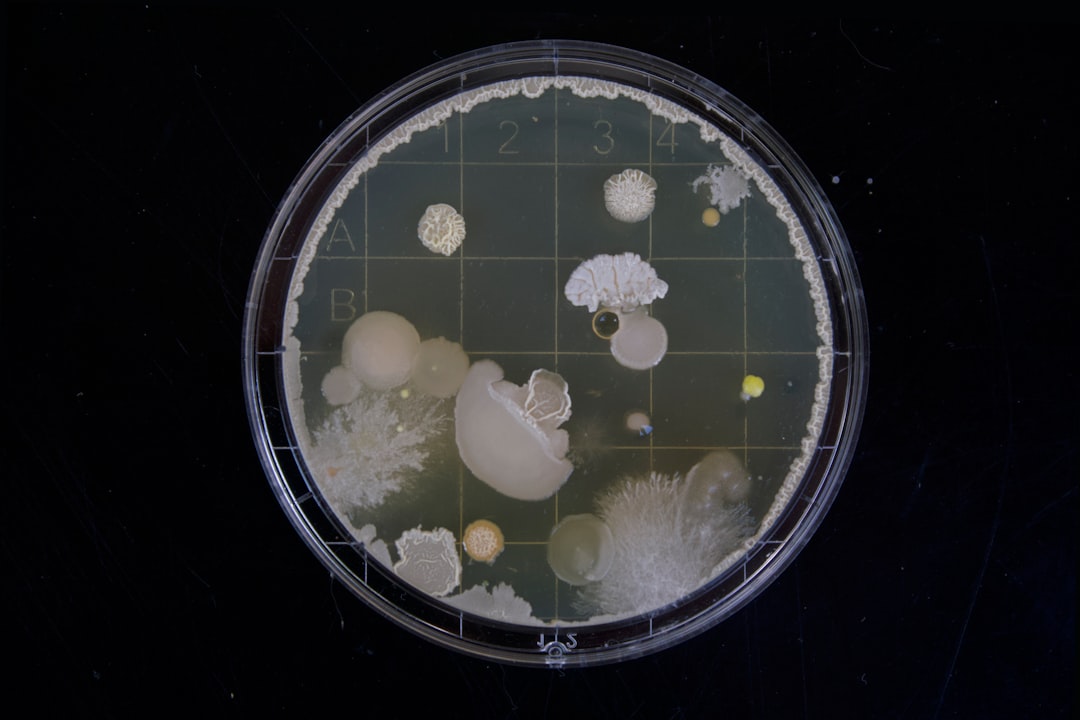
One of the most important things to understand is that stem cells do not work alone. They live inside a specialized environment that researchers call the stem-cell niche. That simply means the local surroundings where the stem cell lives. This includes nearby cells, blood vessels, oxygen, hormones, immune signals, structural tissue, and chemical messengers.
Those surroundings continually communicate with the stem cell. They help determine whether the cell should remain quiet, divide, produce a more specialized cell, or respond to injury and increased demand. This is why stem-cell health is not simply about how many stem cells a person has. The condition of the environment around those cells also matters.
The body regulates this system carefully. Many adult stem cells spend long periods in a quiet state called quiescence, which helps preserve them for the future. When the right signals arrive, some of those cells can become active. Healthy stem-cell function depends on maintaining that balance: keeping enough cells protected while still allowing them to respond when the body needs repair.
What Does Stem-Cell Mobilization Mean?
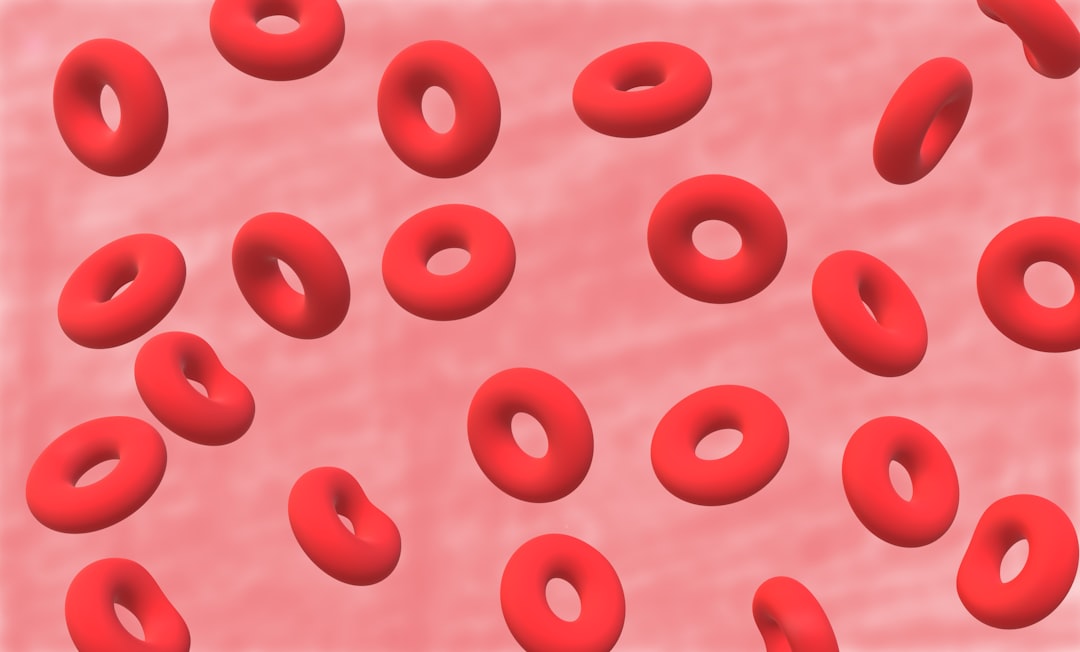
Some stem and progenitor cells normally live mainly inside tissues such as bone marrow. Under certain conditions, signals from the body can cause more of these cells to leave that environment and enter the bloodstream. This process is called mobilization. The word sounds complicated, but the idea is simple: a cell moves from the place where it normally lives into circulation.
Medicine deliberately uses stem-cell mobilization before certain stem-cell collection procedures, and the body can also change the number of circulating progenitor cells naturally in response to different physiological conditions. Mobilization matters because it is one way the body can make regenerative cells available beyond the place where they normally reside.
Why Stem Cells Matter So Much
Think about what would happen if the body could no longer properly replace the cells it loses. Blood cells would eventually disappear. The intestinal lining would deteriorate. Skin would lose much of its ability to renew itself. Muscle repair would become increasingly difficult. Tissue damage would accumulate faster than the body could respond to it.
Stem cells and other regenerative cells help prevent that from happening. They are part of the reason the body can maintain itself for decades despite constant wear, injury, environmental stress, infection, and normal aging. Most of this happens quietly in the background. We usually do not think about regeneration until healing becomes slower or a tissue stops functioning as well as it once did.
What Changes With Age?

Aging does not mean that the body suddenly runs out of stem cells. The changes are more complicated than that. Some stem cells remain present but may become less effective at doing their job. They can become slower to respond, less efficient at dividing, or more likely to produce certain cell types over others.
The environment around them changes too. Over time, DNA damage can accumulate, cellular energy production can become less efficient, inflammatory signals can increase, blood vessels can change, hormone patterns shift, and tissues can become more rigid or fibrotic. The stem cell may still be there, but the “neighborhood” it lives in may no longer be as supportive as it was when the body was younger.
This helps explain something many people notice as they age: the body often still heals and repairs itself, but it may not do so as quickly or efficiently as it once did. The system has not disappeared. Its responsiveness and environment have changed.
Why Supporting This System Matters

This is where a holistic view becomes important. The body does not operate as a collection of isolated parts. The nervous system influences the immune system. Hormones influence tissues. Circulation carries oxygen and nutrients. Digestion supplies the raw materials the body uses. Stress, rest, and inflammation all affect the signals cells receive.
Stem cells live inside that same interconnected system. A stem cell may be capable of participating in renewal, but its ability to do that well depends on the condition of the body around it.
Supporting stem-cell health therefore does not mean trying to force cells to divide. The body regulates these cells carefully for a reason. A healthier goal is to support the body’s ability to maintain its stem-cell populations, protect the environments where they live, respond appropriately when repair is needed, mobilize cells when appropriate, and continue producing healthy specialized cells over time.
That becomes increasingly important as we get older because our regenerative capacity changes. The body may still be capable of repair, but the signals, environment, and cellular response are not exactly the same as they were decades earlier.
The more we understand stem cells, the clearer it becomes that they are not some futuristic concept separate from everyday health. They are already part of the body’s normal system for maintaining blood, skin, muscle, the digestive tract, and other tissues throughout life. Their ability to remain healthy, respond when needed, and function within a supportive environment becomes increasingly important as we age.
This Is What Inspired What I’m Building Next
Learning more about the role stem cells play in renewal, how their function changes with age, and how strongly they depend on the environment surrounding them is a major part of what inspired the development of the upcoming Lael Herbal Home Stem Cell Support Protocol.
My approach is not about forcing the body to do something unnatural. It is about supporting the systems the body already uses for renewal and resilience.
The first release is expected late September to early October, and the waiting list is now open.
Photo credits: featured image by Ousa Chea; cover microscopy by National Cancer Institute. Section images credited in their captions. Images sourced via Unsplash.